
今夜有戏
美记:一年多国王都在试图送走蒙克 被视负资产_我的网站

一 |
据《体育画报》记者James Mccauley报道,近一年多的时间里,国王都在试图送走蒙克。
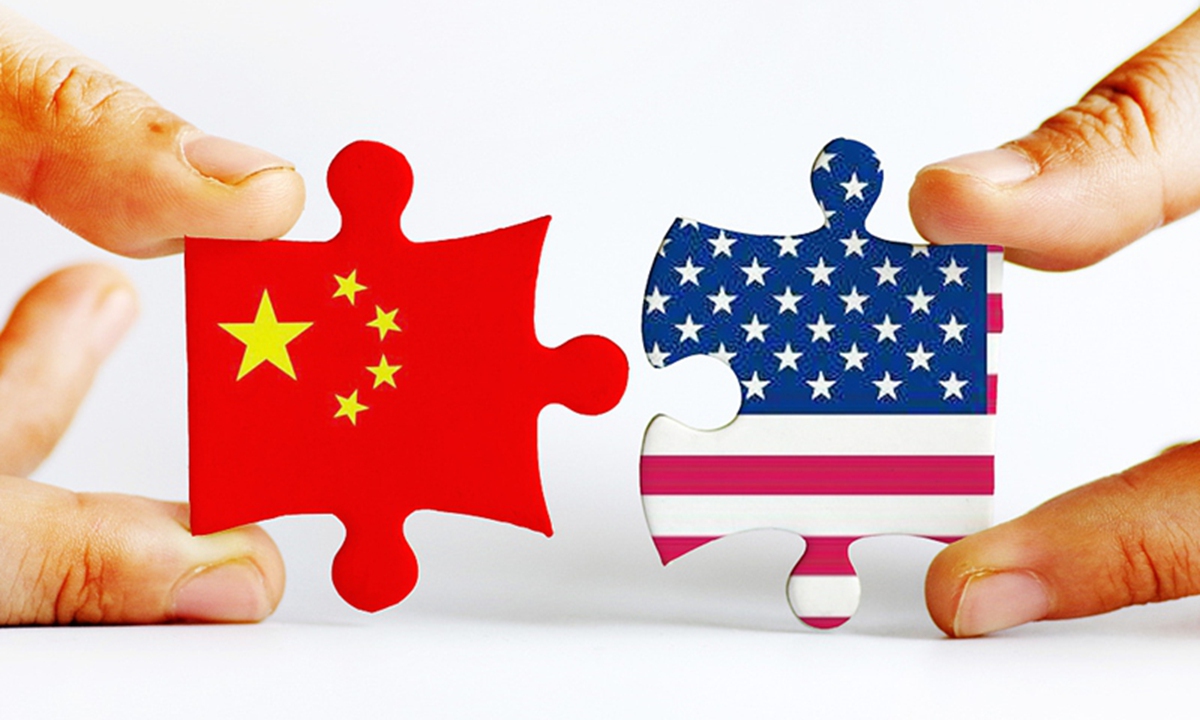
The proposed Office of Management and Budget (OMB) rule, set to take effect in December, would mark one of the biggest overhauls of US science funding in decades, giving political appointees greater authority over grant awards previously guided by scientific peer review and requiring that they "advance the President's policy priorities," according to the Washington Post.
It would also effectively expand the 2011 Wolf Amendment, which bars scientists from using NASA funding for bilateral collaborations with China, to all federal agencies and scientists receiving federal funds, marking the largest break in US-China scientific engagement in decades, the US media outlet reported.
So far, the proposed rule has garnered nearly half a million public comments, many from scientists and leading US science bodies. A Washington Post analysis of 50,000 of those comments found that around 88 percent were negative.
The rule, initially set to take effect in October, was pushed back to December after a bipartisan stopgap funding bill temporarily halted its adoption. Unlike the Wolf Amendment, the rule does not require congressional approval to take effect.
"I do think there are still members of Congress who think we have a monopoly on knowledge. They think we're still in the Cold War Soviet era ... where we were ahead in most areas of science and technology. That is not the case with China. We are no longer the leader in many areas of science," said Tobin Smith, senior vice president for government relations and public policy at the Association for American Universities, which advocates on behalf of leading US research universities, per the Washington Post.
Scientists warn that the rule risks subjecting long-term scientific research to four-year political cycles. "We will not succeed if with every new administration we are ping-ponging back and forth about priorities," the American Association for the Advancement of Science said in a blistering comment, urging the administration to withdraw the rule. "Fast-tracking such profound changes ... hands an easy victory to nations like China," it said, the Washington Post reported.
This reflects a fundamental divide between the US government and the scientific community over how science should develop, Wang Yiwei, a professor at Renmin University of China's School of International Studies, told the Global Times. He noted that politicians tend to believe that suppressing China as a competitor would allow the US to preserve its market dominance and technological edge.
Scientists, however, tend to follow a different logic, as scientific progress depends on openness, exchanges and collaboration. If science and technology are driven solely by competition and private capital, with the ultimate goal of maintaining technological monopolies, this could create greater risks and ultimately undermine US interests as well, Wang said.
The proposed rule change is the latest salvo in a broader battle in Washington over how to respond to China's rise as a scientific superpower. In July, the US National Science Foundation (NSF) also moved to ban collaborations between scientist it funds and many Chinese research institutions and their employees, according to Science magazine.
Liu Shaoshan, director of the Center for Embodied AI at the Shenzhen Institute of Artificial Intelligence and Robotics for Society and a former US-based researcher, told the Global Times in a previous interview that the NSF's new proposed rules created a "talent wall," arguing that restrictions based on nationality, institutional affiliation, and research partnerships could reduce the global talent pool available to the US, weaken its ability to attract leading scientists, and slow scientific innovation.
Liu also said scientific advancement relies not only on discovery but also on the exchange, validation, and dissemination of knowledge.
Wang also said China has built significant strengths through its vast pool of scientists and engineers, complete industrial chains and massive application scenarios, while increasingly moving from application-oriented innovation toward original research. Against this backdrop, US technological blockades and restrictions on cooperation are unlikely to halt China's progress, but could instead isolate American scientists from China's latest research and collaboration opportunities. Such an approach could also prevent the two countries from leveraging their respective strengths and ultimately undermine US competitiveness, Wang said.
。
记者称,魔术等球队曾有意在自由市场上签下蒙克,但这份青睐并未转化为交易市场上的热度。近一年多以来,国王一直在试图送走蒙克,但联盟各队普遍将其合同视为负资产。
蒙克目前的合同还剩两年,新赛季他的薪资为2019万美元,2027-28赛季拥有2158万美元的球员选项。
上赛季,蒙克为国王出战62场比赛,场均12.5分1.9篮板3助攻,三分命中率39.5%。
Current article:http://rf1h8ja.shouyouxumianpouluanteng.shop/news/20260826_9510.html
Published on:19:34:43
伪娘_Random reading
- 08-24Russia shoots down Ukrainian drones
- 08-24推动上合组织稳步发展 深化中哈、中乌友好合作——多国人士期待习近平主席出席上海合作组织成员国元首理事会第二十二次会议并对哈萨克斯坦、乌兹别克斯坦进行国事访问_关系_中国
- 08-25《GTA 6》游戏泄露视频再曝,玩家可购买耳机 / 手机壳等
- 08-21《泉州市传承弘扬创新发展“晋江经验”条例》8月20日起施行
- 08-20“流动凉茶铺”又出摊了
- 08-23以透明筑信任 探访统一老坛酸菜的匠心守味之路
- 08-20上海两大国际机场暑运日进货量超千吨 挪威三文鱼“专机”首降浦东,上海两大国际机场暑运日进货量超千吨 挪威三文鱼“专机”首降浦东
- 08-26August 10th: Remembering a Day of Tragedy for the People of Vietnam
- 08-22九号QZ160电动车裸车没配件,说好的安装包不见没法退款
- 08-22China‑ROK youth Go event attracts nearly 150 participants

终极一班2_Active users
- 缅甸一架客机降落时与飞鸟相撞
- 新加坡每年逮捕3000名吸毒者!平均年龄相当于中四学生?
- 马来西亚:只承认联合国制裁,而不是个别国家实施的制裁
- 'Greatest Takedown in History of Internet': Netizens in Stitches as Monica Lewinsky Mocks Trump
- 49岁“小昭”陈秀丽坚持终身学习 耗时五年圆梦斩获学士学位
- Robot Phone,荣耀给出了AI手机的新模式?
- 美军考虑从中东撤军;伊朗总统:我们没有沦为“第二个委内瑞拉”
- 中金财富期货:近月合约进一步上行后,焦煤期现价差已逐步收敛
- Practitioners’ Insights: How did a decade of dedicated effort build China a self-reliant ‘digital track’?
- 长三角以知识产权助力一体化高质量发展
- 苹果首席运营官:高通公司拒绝为2018款iPhone XS/Max/XR提供基带芯片。
- “Kimi时刻”反而利好芯片?华尔街:“杰文斯悖论”将再度应验!
- 就韩红基金会所捐救护车,湖北长阳发布情况说明
- 金鹰奖提名公布:于和伟、王宝强、胡歌等提名最佳男主角,马伊琍、闫妮、杨紫等提名最佳女主角
- 里夫斯大赞威少暖心仗义 困惑他外界口碑不佳
- 学位法通过,2025年1月1日起施行
- 国会议员薪酬普涨 反对党呼吁优先给工人加薪
- 旧金山停电一小时,Waymo停摆,2026年Robotaxi 能规模化运营吗?
假如爱有天意_Hottest this week
- 08-26上百艘菲船来犯黄岩岛,中方出动19艘船舰,菲先遣队无功而返
- 08-23成都蓉城冠军不稳了?罕见遭遇4连平,一胜难求,背后原因找到了
- 08-21撑起全球AI半边天?一文了解姚期智与他的清华姚班
- 08-24小花钱包放款当日扣权益卡钱诉求退还3170元代扣费用
- 08-23Qwen登顶AI赚钱大赛只是开始?“弃GPT投Qwen”已在硅谷蔓延开来
- 08-24【我们十岁啦】 十载风雨润桃李,百尺竿头再跨越——我与窗内小学共成长(教师篇)
- 08-24PowerColor发布了两款紧凑型egfx设备:带AMD RX 560/570
- 08-26今晚全球瞩目!美联储“最青睐通胀指标”将出炉 利率剧本会否改写?
- 今夜有戏 copyright
- Some of the content comes from the Internet. If you have any offence, please raise it.