
脱口秀大会
GT Voice: Chinese investment could help Germany stabilize its talent base_我的网站

A |
Germany's industrial woes have increasingly become a hot topic of discussion. The latest Engineer Monitor report from professional association Verein Deutscher Ingenieure and the German Economic Institute offers a new look at the issue.
The report showed that there were 58,392 unemployed individuals in the engineering and information technology (IT) professions in the fourth quarter of 2025, the highest level since the survey began in 2011.
Compared with the previous year, the number of unemployed increased by 16.7 percent, according to German media reports on Sunday.
These figures lay bare the challenges confronting the country's manufacturing sector. The reasons for the industrial woes are multiple. The soaring energy costs caused by geopolitical conflicts, the decline in exports caused by rising protectionism and low external demand, and the structural pain caused by industrial chain restructuring are all squeezing the space of German manufacturing.
Manufacturing is the backbone of Germany's economy, and engineers and IT specialists constitute the core force that sustains this pillar. For decades, the country's reputation for "Made in Germany" excellence was built on the expertise of these skilled professionals. Regardless of the macroeconomic ups and downs, preserving the stability and continuity of its industrial talent pool represents a strategic bottom line for Germany.
Should large numbers of highly skilled technical professionals leave the industry or sit idle, industrial research and development (R&D) and production cycles will be disrupted. Over the longer term, such a waste of human capital will erode Germany's industrial innovation capacity and, ultimately, undermine the foundations of its global competitiveness.
In this context, the urgent task for Germany is to create sufficient quality positions for its technical talent. Should it fail to do so in the short term, then Germany needs to embrace a more open‑minded development approach. Shoring up its manufacturing base cannot be achieved solely through protecting domestic companies; it also requires a significant expansion of effective investment to create enough high‑quality jobs that can attract and retain skilled talent.
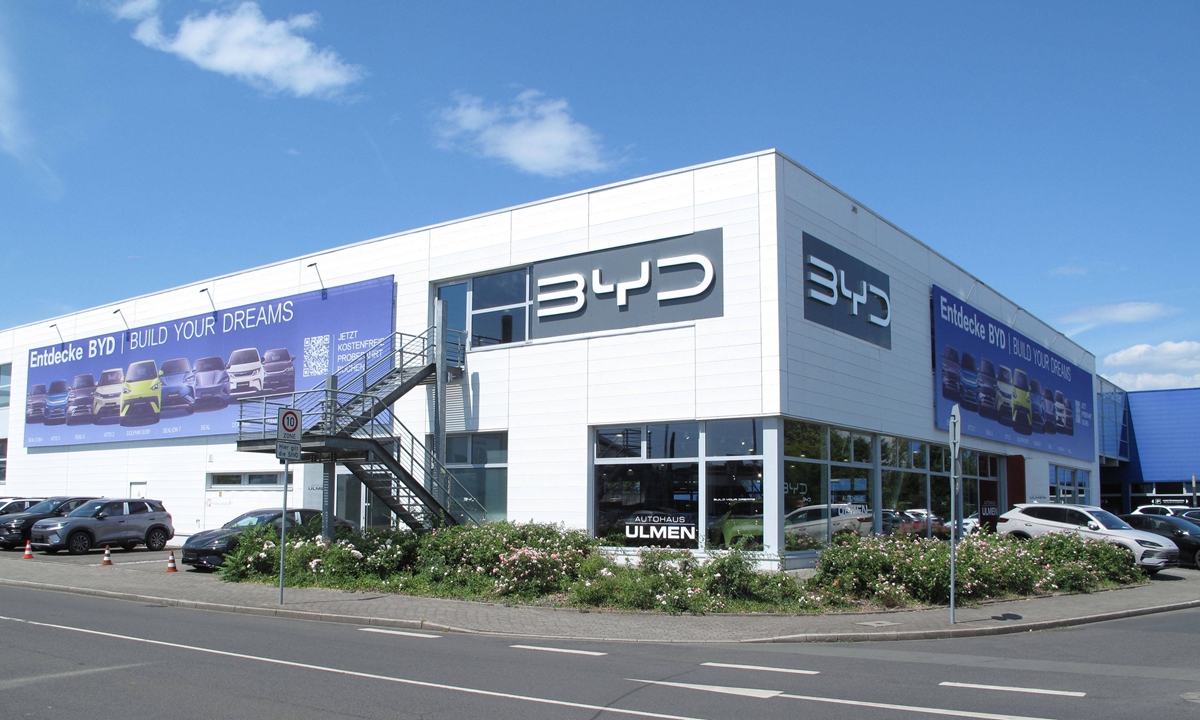
This is exactly where China‑Germany cooperation could deliver tangible results. According to the FDI Report 2025 published by Germany Trade & Invest (GTAI), the total number of foreign investment projects in Germany fell 9.3 percent overall to 1,564 in 2025. Nonetheless, Chinese companies became the largest source of foreign investment projects in Germany in 2025, overtaking the US for the first time since 2017.
Chinese companies launched 228 investment projects in Germany in 2025, up 14.6 percent year-on-year. More than one in five Chinese investment projects involved production and R&D activities, above the overall average for foreign investment projects in Germany. This is a sign that Chinese firms are deepening their integration into the local industrial base, according to GTAI.
Observers noted the trend, pointing out that China is becoming an important force in driving German re‑industrialization. In industries where Germany urgently needs to rebuild its competitive edge, such as electric vehicles, batteries, energy technology, digital manufacturing, and automation, China is emerging as an increasingly significant complementary partner. In these critical areas that will determine industrial competitiveness in the coming decades, the relationship between China and Germany is not merely one of rivalry; there are clear and substantial complementarities. Germany still boasts world‑leading engineering expertise, precision manufacturing capabilities, and a strategic location at the heart of the European market.
China has complete and highly integrated supply chains for raw materials and intermediate goods and large capacity for increasing production. When Chinese automakers set up R&D centers in Germany, or when Chinese tech firms collaborate with German factories to build smart production lines, the beneficiaries are not only the Chinese companies but also the German engineers who would otherwise face redundancy.
Cross‑border investment cannot flourish without a sound policy environment. Chinese companies are apparently willing to develop in Germany, but it can only happen on the premise that the German side provides a fair, reasonable and predictable business environment, reduces non-market interference in commercial activities, and allows capital to operate in accordance with market rules.
If the two countries are able to reach a deeper level of cooperation in investment, many of Germany's trade‑related concerns may well find more pragmatic solutions. The deep integration of industrial value chains would facilitate two‑way trade, creating renewed momentum for German exports of machinery, vehicles, chemicals, and other competitive products to China.
。 8月21日上午,石家庄市裕华区仓盛路旁的银灰色建筑前排起蜿蜒数百米的长龙,标志性的蓝色菱形LOGO在阳光下格外醒目。作为山姆布局全国的第68家门店,山姆会员商店首店开门迎客。

B | 山姆的到来,是石家庄零售业版图变化的最新注脚。这两年,盒马鲜生、京东七鲜、小象超市等品牌相继“抢滩”,群雄逐鹿,各有章法。外来品牌扎堆进驻、本土商超加速转型,石家庄乃至零售业正在经历一场以品质消费为导向的深刻重塑。

C |
8月21日,市民在石家庄山姆会员商店购物。日报记者 史晟全摄凭独特的销售模式“入场”走进山姆,扑面而来的不是传统商超的琳琅满目,而是9米高的仓储式货架和3米宽的主通道构成的通透空间。

D | 一楼入口处,1.8米高的熊猫玩偶吸引顾客驻足打卡。支持语音交互的仿生四足智能机器人在卖场内互动,不少家长带着孩子停下脚步进行体验。

E | 但真正定义“高端”的,是货架上的产品。各类自有品牌商品摆在C位,海捕大虾、整条大鲅鱼、土著黄公鸡等适配本地口味的商品悉数亮相,西班牙冰鲜伊比利亚黑猪肉、加拿大3A级谷饲牛肉等高端肉类占据一席……每一件都经过精挑细选,让“闭眼入”成为可能。“年年续费,这次山姆开在了家门口,终于不用跑外地了。

F | ”石家庄市民郝苏红是山姆的资深会员,开业当天,她带着7岁的儿子李慕珵赶来复购菠萝包。小家伙原本在山西旅游不肯回,一听山姆开业便催着返程。

G | 郝苏红说:“这里的牛排、羊排品质让人放心,正考虑把普通卡升成卓越卡,计划每周来囤一次。”“交260元年费才能进的超市”——这是很多消费者对山姆的第一印象。这道“入场门槛”背后,藏着山姆区别于传统商超的核心逻辑:它的目标客群,是愿意为高品质商品付费的中高收入家庭。如何俘获这些消费者的心?首店仅设置约4000个SKU(最小库存单位),约等于一家传统大卖场的五分之一,在有限的SKU范围内,每一款单品都经过全球采购团队层层筛选,承担着“被反复复购”的任务。这种少而精的选品逻辑,省去了消费者在海量商品中做决策的时间成本,逐步建立起“闭眼入”的信任。超市不再只是追求客流的“收租”模式,而是转向经营用户的“买手”模式。这种用专业选品换用户信任的模式,还体现在质价比的平衡上。

H | 从石家庄市桥西区专程赶来的马国娟和女儿逛了两个多小时,除了小青柠饮料、榴莲大福、蒜味虾片等网红爆款,还特意选购了整块猪肋排和家庭装洗发水。在她看来,山姆并非只靠“高端”标签吸引客流,而是在品质基础上兼顾了性价比,这也是其能支撑家庭大宗囤货的核心优势。

I | “之前已经用‘极速达’下过单,今天还是没忍住来凑首店开业的热闹。”顾客赵艳的一句话说出了很多消费者的心声。如今,线上下单补日常、线下到店做囤货,已经成为新的消费习惯。依托“大店+云仓”的全渠道布局,山姆不仅突破了门店边界,还将购物本身打造成家庭休闲场景。开业前两个月,“极速达”已在石家庄提前上线,并两次扩容,覆盖中心城区核心片区,周边3至5公里居民线上下单,最快1小时送达。这种“线下体验+线上履约”的模式,既保留仓储店的囤货特质,又适配即时消费的日常需求。城市与品牌双向奔赴山姆将首店落子石家庄,不是偶然的商业选择,而是城市消费潜力与品牌扩张战略的精准契合,是一场双向奔赴。在省商业联合会会长张彦峰看来,山姆选择石家庄,是对这座城市消费能力、人口规模和营商环境的认可。一座省会城市的购买力和消费升级需求,是山姆落地的一大原因。

J | 近年来,作为常住人口超1100万的省会城市,石家庄居民收入稳步增长,消费结构不断优化,今年1至7月,全市限额以上单位消费品零售额达713.7亿元。然而,高端仓储会员零售长期处于缺位状态,本地家庭批量采购优质商品,往往要驱车前往京津。需求已然显现,供给尚存缺口,这是山姆看到的市场机遇。不少业内人士表示,山姆落地将填补石家庄高端会员制零售市场的空白。石家庄的优势,不止于自身。近年来,石家庄正加快打造区域消费中心城市,先后获评全国现代商贸流通体系试点城市等多个国家级试点,对周边区域的辐射能力持续增强,这进一步放大了山姆的商业想象空间。这一点,在开业当天的停车场得到验证。记者看到,拥有1150个车位的停车场内,保定、邢台、邯郸乃至山西、河南的外地车辆比比皆是。

K | 山姆开业前会员卡办理突破3万张,其中约20%来自外地。“以前都要去北京天津,现在在石家庄就能逛山姆。”来自定州的李颖,道出了众多跨城消费者的心声。“山姆”二字的更深层意义,在于一个链接全国乃至全球的供应链体系。拥有丰富的农业和食品资源,君乐宝牛奶、迁西板栗、张家口燕麦等优势产品,正需要这样的渠道走向更广阔的市场。

L | “我们将持续挖掘本地优质资源,通过供应链共创和品质管理,把好产品变成稳定、可持续的商品,推向全国。”山姆鲜食采购负责人曲琰表示。以供应链协同创造双向价值,已有先例。近年来,盒马、七鲜、小象等品质型零售首店接连进驻石家庄,既印证了首店经济的蓬勃态势,补齐了本地零售业态的短板,又完成了供应链层面的双向赋能,把全球好货带进来,也让好物走出去。倒逼本土零售业求新求变热闹开业的背后,更值得关注的,是山姆将给石家庄乃至零售业带来怎样的“新变量”。从终端需求看,消费升级与消费分层的趋势愈发明显。马国娟的购物习惯颇具代表性:家庭大宗囤货选山姆,日常蔬菜面点去家门口的信誉楼、北国超市,下班应急备菜则用盒马、七鲜等即时零售平台。“有一次在七鲜App上下单,不到15分钟外卖员就敲了门。

M | ”这样的速度让马国娟颇为惊喜。零售业态的丰富,给消费者带来实实在在的选择权。从“只能去哪买”变成“看需求决定去哪买”,消费观念也由此从追逐价格转向匹配需求。

N | 这背后,也体现出市民消费理念从“性价比”向“质价比”的跃迁。消费者不再只盯着单价高低,而是综合考量品质、效率与时间成本。

o | 付费会员制的普及,也让“为选品信任和服务价值付费”逐渐被接受。从行业视角看,山姆落地带来的影响,不是多了一个竞争对手,而是树立了一个关于“商品力”和“会员信任”的参照系,从而推动整个行业从价格内卷走向价值比拼。去年8月,盒马鲜生进入石家庄,它不单靠商品品质,还联动多种会员体验以及每天消费可领的免费菜,激活复购。小象超市在石家庄没有声势浩大的开业宣传,而是悄悄出现在消费者的手机点单列表里。29元就包邮,价格打了下来,品质也没有掉队。新品牌轮番登场,本土商超坐不住了。永辉超市长安万达广场店去年完成了“胖东来式调改”;裕华区的信誉楼超市进行全方位装修提档,从服装分区到餐饮业态一一补齐;北国超市Ulife北国店经过三个月的装修升级,以全新面貌面向消费者。在张彦峰看来,山姆短期内并不会颠覆本地商业基本盘,消费者不会彻底抛弃长期习惯的本土商超,只是多了一种周期性囤货的选择。但真正的冲击在于,一旦传统商超比品质拼不过山姆、比便捷赢不了社区店,“卡在中间”那批客群就会被抽走,这种“中间地带”将成为本土企业最危险的竞争区间。

p | 从城市格局看,山姆的选址更是一步“补白”的妙棋。长期以来,石家庄零售商业集中于中山路一条主轴,北国商城与勒泰中心、万象城和新百广场两大商圈承载了大部分中高端客流。山姆落子裕华区东南片区,不仅填补了区域大型商业综合体的空白,还有望将这片区域从城改缝合带变身商业新地标,进一步提升东南片区的城市吸引力。“山姆的到来,只是石家庄零售变革的一个新起点。

q | ”张彦峰说,未来的市场竞争终究要回归商品力和服务力本身,谁能读懂本地消费者的真实需求,持续输出匹配预期的产品与服务,谁就能赢得市场。当满载而归的人们陆续走出卖场,当外地车牌的车辆有序驶离停车场,山姆带来的零售变革才刚刚开篇。(日报见习记者 尹春月 侯 淼)。
Current article:http://rf1h8ja.shouyouxumianpouluanteng.shop/5onp77/sjd.html
Published on:02:21:21